The information on this website is general in nature and does not take into account your objectives, financial situation, or needs. Consider seeking personal advice from a licensed adviser before acting on any information.
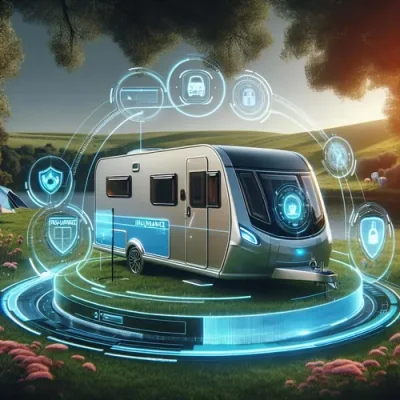
Caravan insurance can help protect your caravan against risks such as accidents, theft, weather damage and damage caused to other people's property. Before choosing a policy, it is worth understanding how different cover types work, what exclusions may apply and what information you may need if you ever make a claim.
What is caravan insurance?
Caravan insurance is designed to help protect caravan owners from certain financial losses connected with owning, towing, storing and using a caravan. Depending on the policy, cover may apply to accidental damage, theft, weather-related damage, damage to other people's property and, in some cases, personal belongings kept inside the caravan.
Policies vary between insurers, so it is important to read the product documents carefully rather than relying only on the policy name or premium. The right level of cover depends on factors such as the caravan's value, how often it is used, where it is stored and the types of trips you plan to take.
Main types of caravan insurance cover
In Australia, caravan insurance is commonly discussed in two broad categories: comprehensive cover and third-party cover. Some insurers may also offer optional extras or specialist features for contents, roadside assistance, towing or off-road use.
Comprehensive caravan insurance
Comprehensive caravan insurance is generally the broadest form of cover. It may protect your caravan against insured events such as accidental damage, theft and weather events, while also providing cover if your caravan damages someone else's property.
This type of cover may be more relevant where the caravan is newer, higher in value, regularly used or an important part of your travel plans. However, inclusions, limits and exclusions differ between policies, so the detail matters.
Third-party caravan insurance
Third-party caravan insurance is more limited. It is typically focused on damage your caravan causes to another person's property. It generally does not cover damage to your own caravan from an accident, theft or other insured events unless the policy specifically says otherwise.
This may be considered by owners of older or lower-value caravans, but it can leave you responsible for repairs or replacement of your own caravan. Compare the potential premium difference against the level of risk you would retain.
Optional or specialist cover
Depending on the insurer, you may be able to add or select cover for specific needs, such as:
- contents or personal belongings inside the caravan;
- roadside assistance;
- towing after an insured incident;
- extended cover for particular travel circumstances; or
- cover for off-road adventures, where available and subject to policy conditions.
Optional extras can increase the cost of a policy, so consider whether each feature matches how you actually use your caravan. For more background on entry-level cover concepts, you may also want to read this guide to caravan insurance fundamentals for new buyers.
What caravan insurance may cover
Every policy is different, but caravan insurance may include cover for some or all of the following areas:
| Cover area |
What to check |
| Accidental damage |
Whether damage while towing, parked or in storage is included, and what excess applies. |
| Theft |
Security requirements, storage conditions and any exclusions that may affect a theft claim. |
| Weather and natural events |
Which events are covered and whether limits, waiting periods or exclusions apply. |
| Third-party property damage |
The limit of liability if your caravan damages someone else's property. |
| Contents |
Whether personal belongings are covered, any item limits and what proof of ownership may be required. |
| Assistance and towing |
Whether roadside assistance or towing is included, optional or excluded. |
Factors to consider when choosing a policy
Your caravan's value
The value of the caravan is a key consideration when deciding how much cover to hold. Over-insuring can mean paying for cover you may not need, while under-insuring can leave a shortfall if the caravan is damaged or stolen. Consider the caravan's age, condition, model and any modifications when reviewing the insured value.
How often and where you travel
A caravan used for frequent long-distance trips may need different features from one used only for occasional local holidays. If you travel through remote areas, consider whether the policy provides assistance, towing or other support services that match your travel style.
Where the caravan is stored
Storage arrangements may affect both risk and policy requirements. If you change where the caravan is stored, or you add security devices, it is sensible to update your insurer so the policy details remain accurate. If storage is a regular concern, this related guide explains common mistakes to avoid when storing your caravan.
Modifications and contents
If you modify the caravan or carry valuable personal belongings, check whether these are covered and whether the insurer needs to be notified. Some policies may limit contents cover or exclude certain belongings unless they are listed or supported by receipts.
The insurer's claims process
Price is only one part of the decision. It is also worth considering how claims are lodged, what documentation is required and whether the insurer provides clear guidance during the claims process.
How to compare caravan insurance quotes
When comparing caravan insurance, look beyond the premium. Two policies can have very different inclusions, limits and exclusions even if they appear similar at first glance.
When you compare caravan insurance quotes, consider:
- the type of cover, such as comprehensive or third-party;
- the insured value of the caravan;
- the excess payable if you claim;
- cover for theft, accidental damage and weather events;
- third-party liability limits;
- whether contents are included and, if so, under what limits;
- optional extras such as roadside assistance or towing;
- any restrictions on travel locations or usage; and
- policy exclusions and conditions.
Provide accurate information about the caravan and how it will be used. Incorrect or incomplete details can cause problems later, particularly at claim time.
Common mistakes to avoid
Over-insuring or under-insuring the caravan
Choosing an insured value without checking whether it reflects the caravan's realistic value can lead to unnecessary cost or inadequate protection. Review the value periodically, especially after modifications or major changes in condition.
Ignoring exclusions and limits
Exclusions can affect whether a claim is accepted. Read the policy documents carefully for limits on liability, belongings, storage, travel areas, off-road use and other conditions that may apply.
Not updating policy details
Changes to storage location, usage patterns, modifications or security features should be reviewed with the insurer. Keeping policy details current can reduce the risk of disputes or coverage gaps.
Choosing on price alone
A cheaper policy is not necessarily better if it leaves out cover you need. Compare premiums together with inclusions, excesses, service features and the claims process.
Ways that may reduce caravan insurance costs
There is no guarantee that any one action will reduce a premium, but some insurers may take risk-reduction measures or customer arrangements into account.
- Bundling policies: Some providers may offer discounts when multiple insurance products are held with the same company.
- Security features: Devices such as alarms, tracking devices or wheel clamps may reduce theft risk and may be relevant to underwriting or premium assessment.
- Accurate cover selection: Selecting cover that reflects the caravan's value and your actual usage can help avoid paying for features that do not match your needs.
- Regular policy reviews: Reviewing the policy after changes to usage, storage or modifications can help keep cover aligned with your circumstances.
How to prepare a caravan insurance claim
If an incident occurs, contact your insurer as soon as practicable and follow its claims process. Many insurers provide a phone line or online claims portal and may assign a claims adviser or assessor to review the information.
Typical steps in the claims process
- Make sure everyone is safe and take reasonable steps to prevent further damage if it is safe to do so.
- Contact the insurer and provide your policy number and incident details.
- Complete the claim form or online claim information requested by the insurer.
- Provide evidence, such as photos, receipts or statements where relevant.
- Respond promptly if the insurer or assessor requests more information.
- Keep records of claim communications, reference numbers and documents submitted.
Documentation that may help
Useful claim evidence may include photos of the damage or incident location, a police report where applicable, witness details, receipts, proof of ownership for belongings and records of communication with the insurer.
Dealing with insurers and assessors
Clear and accurate communication can help the process run more smoothly. Ask questions if you do not understand what is being requested, and refer back to your policy documents when discussing coverage, limits and exclusions.
Final considerations
Caravan insurance is not a one-size-fits-all product. The cover that suits a frequent long-distance traveller may be different from the cover needed by someone who uses a caravan only occasionally. The key is to understand the policy type, check what is included and excluded, and keep your details up to date as your caravan use changes.
Before choosing or renewing a policy, compare the cover, limits, excesses and claims process carefully. A well-matched policy can help manage the financial impact of theft, damage, liability and other insured events while you enjoy travelling with your caravan.
Published: Sunday, 23rd Mar 2025
Author: Paige Estritori





No comments yet. Be the first to share your thoughts.